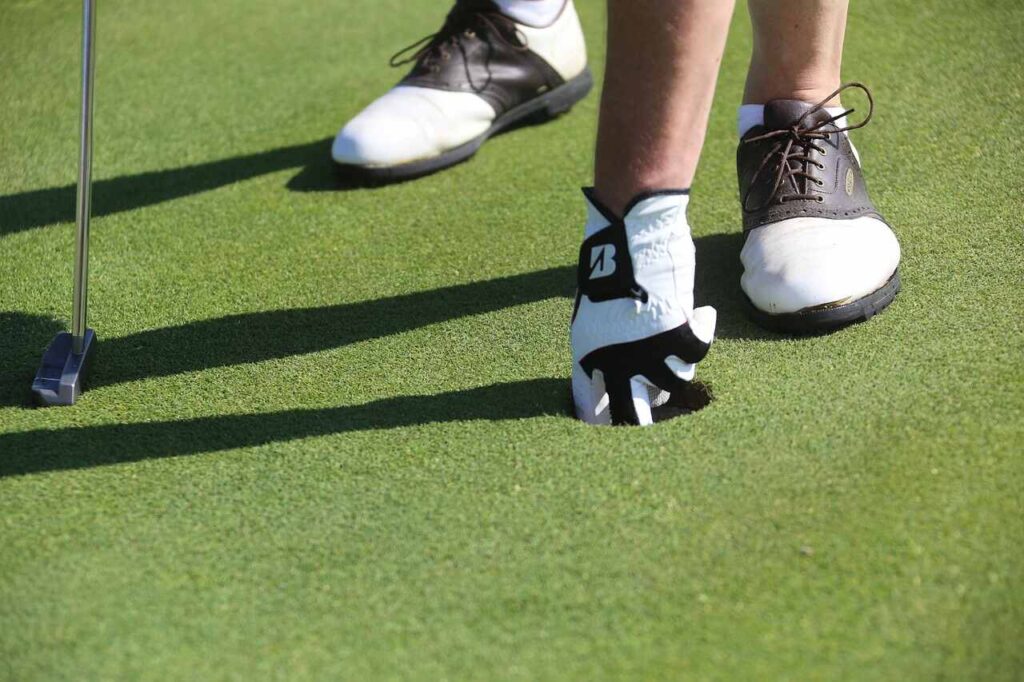
A golf glove rarely gets the spotlight in a new-bag photo, yet it has a big say in how the club behaves in your hands. If you have ever felt the grip start to twist when your palms get sweaty, or noticed a hot spot forming on your thumb halfway through the back nine, you already know why many golfers keep a glove in steady rotation.
At Golf Inquirer, we think of the glove as simple insurance: better traction, fewer distractions, and a grip pressure that stays calm when the round gets tense.
What a glove changes in your swing
- What a glove changes in your swing
- Choosing the Right Golf Gloves
- One glove, two gloves, or none
- Materials and styles (and when each shines)
- Fit: the make-or-break detail
- Men’s, women’s, and junior gloves
- Cadet sizing explained (without the guesswork)
- Care, rotation, and when to replace
- Common glove problems and quick fixes
- FAQ's
Choosing the Right Golf Gloves
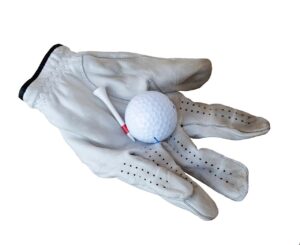
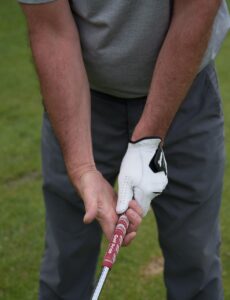
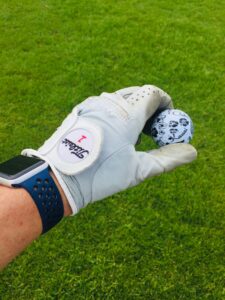
A good glove does not “fix” a swing, but it can remove small problems that quietly steal consistency. The biggest win is traction between your lead hand and the grip. When traction improves, most players can hold the club a touch lighter, and that tends to make the wrists and forearms feel freer through impact.
It also helps your hands tolerate repetition. Range sessions and summer rounds can be tough on skin, especially where the grip rubs during the transition and release. A glove reduces friction and spreads pressure across the palm.
After you have a paragraph of “why,” it helps to name the practical results golfers usually notice:
- More secure grip with less squeeze
- Fewer blisters and hot spots
- Better comfort in humidity
- Confidence on partial shots and awkward lies
- A steadier feel when your hands get tired late in the round
A glove is not only about power. Many players first appreciate it around the greens, where a small slip can turn a soft pitch into a thin rocket.
One glove, two gloves, or none
Most golfers wear a glove on the lead hand (left hand for right-handed players, right hand for left-handed players) because that hand sits at the top of the grip and does a lot of the “holding on” work. The trail hand often wants more direct feel of the grip, especially for touch shots, so it commonly stays bare.
Two gloves can make sense if you struggle with sweat, play in frequent rain, or simply like the symmetry. Some golfers feel more secure with both hands protected, and that can calm tension. The tradeoff is that you may lose a bit of feedback in the trail hand on finesse shots.
And yes, no glove can work too. If you have naturally dry hands, use cord grips, or practice a lot of feel-based shots, going gloveless can be comfortable. Just be honest about your conditions. If the club ever feels like it wants to rotate, that is your cue to add friction, whether through a glove, grip choice, or both.
Materials and styles (and when each shines)
Walk into a pro shop and you will see many gloves that look similar on the rack. The differences show up once you play: how they handle moisture, how quickly they stretch, and whether they stay tacky after a few holes. Learn more about the differences here
Here’s a compact guide to the common categories.
| Glove type | Feel | Best for | Tradeoffs |
|---|---|---|---|
| Cabretta leather | Very soft, high feedback | Dry to mild conditions, players who value touch | Can stiffen if dried poorly, less happy in steady rain |
| Synthetic | Light, flexible, often very breathable | Hot weather, humid climates, budget-friendly rotation | Feel can be slightly “plasticky,” grip can fade faster with heavy use |
| Hybrid (leather + synthetic panels) | Balanced | Players who want durability plus decent touch | Fit varies by brand, not always as soft as full leather |
| All-weather | Grippy when damp, slightly thicker | Cool mornings, variable forecasts | Less “second-skin” feel, can feel warm in summer |
| Rain gloves (paired) | Designed to grip better when wet | True rain rounds, soaked grips | Usually worn on both hands, less ideal as everyday glove |
| Cadet sizing (shape option) | Same materials as above | Wider palms and shorter fingers | Fewer models to choose from in some stores |
If you only want to own one glove, a quality leather glove is still the classic pick for feel. If you play in muggy summers or practice a lot, a hybrid or synthetic rotation can be a smart way to keep your hands comfortable without burning through premium leather too quickly.
Fit: the make-or-break detail
Gloves are small, but fit is everything. A glove that is too big bunches in the palm, and that bunching changes how the grip sits in your fingers. Too small and it pulls at the seams, stretches early, and can feel restrictive during the release.
Aim for “second skin” snug. You should be able to make a fist without strain, and the fingertips should sit close to the ends without extra material folding over. Most gloves will relax slightly after a few holes, so if you are between sizes, many golfers do better sizing down.
When you try one on, use a quick check that mirrors what happens during a swing:
- Finger length: Fingertips should reach close to the end, with no floppy overhang.
- Palm tension: Flat palm should look smooth, not wrinkled or ballooned.
- Closure tab: Fastens comfortably without needing to be yanked to the last millimeter.
- Knuckle freedom: You can flex and extend fingers without the glove “pinching” at the joints.
- Grip test: Hold a club and waggle, the glove should not twist around your hand.
One more tip that saves money: try gloves on with clean, dry hands. Lotion, sunscreen, or damp palms can trick you into buying the wrong size.
Men’s, women’s, and junior gloves
The main differences across men’s, women’s, and junior gloves come down to sizing and hand shape options, not “performance levels.” A glove that fits well is a performance glove, regardless of the label stitched into the cuff.
Men’s models generally offer broader size runs and more cadet options. Women’s gloves often match narrower palms and slimmer finger proportions, and many brands offer left-hand and right-hand versions in more colorways. Junior gloves prioritize flexibility and easier closure, which matters because younger players often grip too tight while they build fundamentals.
Fit beats category every time.
If a “women’s” glove fits your hand perfectly, it is the right glove. Same goes for juniors moving into adult sizes earlier than expected. Comfort and control are the goal.
Cadet sizing explained (without the guesswork)
Cadet is not a separate material or special grip tech. It is a shape: wider palm, shorter fingers. Golfers often discover cadet sizing after years of feeling like standard gloves never quite sit right, either because the fingers are too long or the palm feels tight once the fingertips fit.
A quick self-check: if standard gloves fit your palm but leave extra finger length that folds at the tips, try cadet. If standard gloves fit your fingers but feel cramped across the palm, cadet may also help, depending on the brand’s pattern.
Because “cadet medium” in one brand can feel like “regular medium” in another, it is worth trying two brands side by side if you can. Small pattern differences matter.
Care, rotation, and when to replace
Gloves last longer when they are treated like athletic gear, not like a receipt you crumple into your pocket. The fastest way to ruin a glove is to ball it up while it is damp and leave it in your bag. The leather stiffens, the palm gets slick, and the next round starts with a fight.
After your round, open the glove fully and let it air dry naturally. Avoid direct heat. For leather, heat can make the glove hard and brittle. If you want to keep the shape crisp, lay it flat or lightly place it back on your hand for a moment to smooth the fingers, then remove it and let it dry.
A simple rotation system can also help, especially in summer. Many golfers carry two gloves and swap every few holes so each one gets a chance to dry.
The glove feels great for three holes, then gets slick. Sweat and sunscreen are common culprits. In hot weather, synthetic or hybrid gloves can manage moisture better. Also, wipe your hands before putting the glove back on after a snack or reapplying sunscreen.
A few habits that tend to pay off:
- Air dry after every round
- Rotate gloves on humid days
- Keep a backup in a pocket or side pouch
- Wash only when needed, gently, and dry flat
- Replace when the palm gets shiny, thin, or slippery
Replacement timing depends on practice volume and grip pressure. If you practice often, a glove might feel “done” well before it tears. When you notice you are squeezing harder to stop the club from moving, that glove is already costing you something.
Common glove problems and quick fixes
The glove keeps slipping. This is almost always a fit issue or a moisture issue. Try one size smaller, or switch to a model with better breathability. If the grip itself is worn smooth, even a new glove will struggle, so check your grips too.
You get blisters even with a glove. Look at where the glove is rubbing. A wrinkle in the palm or too much extra finger length can create friction points. Also consider grip size. A grip that is too small can increase hand action and rubbing.
The glove tears near the thumb. Many tears come from pulling the glove off by yanking the fingertips. Peel it off from the cuff and palm instead. It is a small change that can add rounds.
FAQ’s
Golf is full of small choices that add up. A glove is one of the easiest to get right, and once it fits properly, you stop thinking about it, which is exactly the point.
Which hand should wear the glove?
Wear it on your lead hand, the one closer to the target at address. Right-handed golfers usually glove the left hand, left-handed golfers usually glove the right.
Do I need rain gloves or an all-weather glove?
If you play in steady rain, rain gloves (typically sold as a pair) are hard to beat because they grip better as they get wet. If you deal with chilly mornings or surprise drizzle, an all-weather glove is a practical everyday option.
Should I take my glove off to putt?
Many golfers do because they like more feel in the fingers. Try both ways during practice. If you keep it on, make sure the palm is not damp, since that can change the club’s balance in your hands.
How tight should my grip feel with a glove?
A glove should let you hold the club securely with less squeeze, not more. If you feel like you must grip hard even with a new glove, revisit fit, grip condition, and grip size.
What is one smart “starter setup” for gloves?
One premium-feel glove for normal rounds, plus a second glove (often synthetic or hybrid) as a humid-day backup is a simple system that covers most conditions without overthinking it.
At Golf Inquirer, we’re dedicated to helping you enjoy every aspect of the game, from understanding the rules to finding the perfect gear. Explore our articles and guides to elevate your experience on the green. Visit us at https://golfinquirer.com.